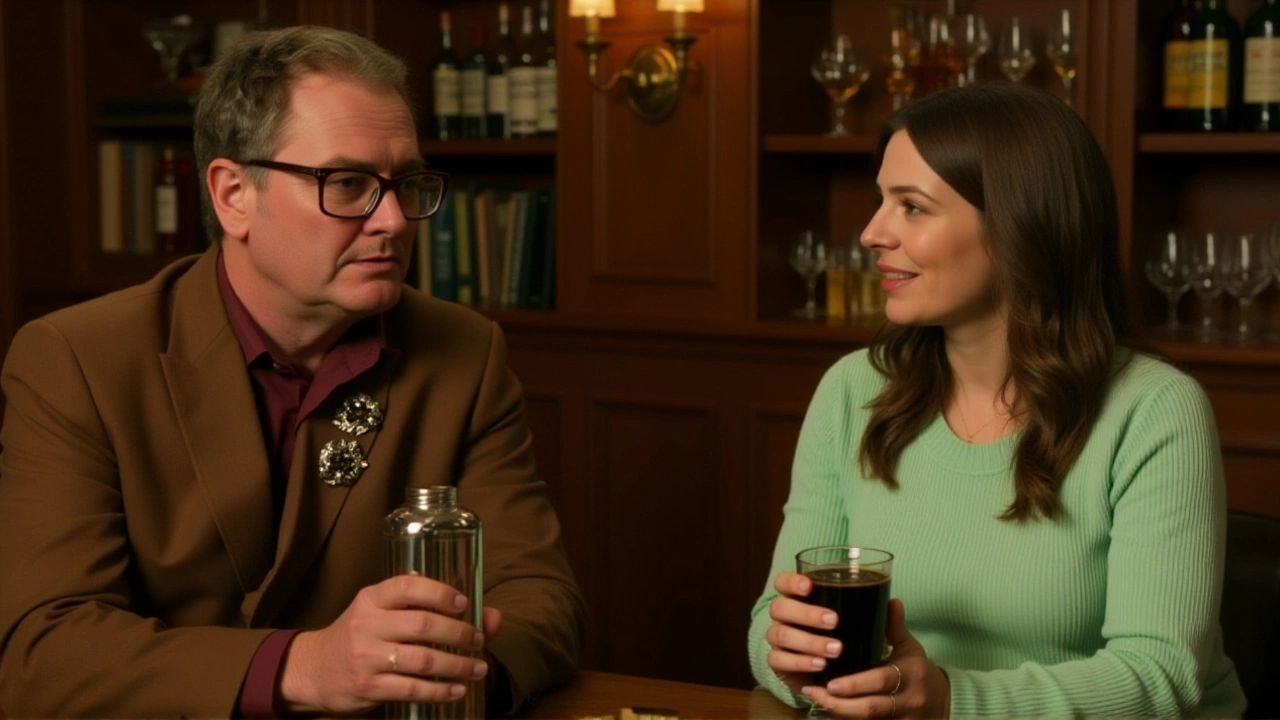
When Ruth Codd, the Irish actress and dancer known for her sharp wit and physical grace, stepped off the set of The Traitors UK Celebrity after filming wrapped in early 2024, she didn’t just carry memories of betrayal and hidden daggers—she carried a surprising secret: no alcohol was allowed during challenges. Not even a sip. Not even a toast. The rule, she revealed in a candid interview with Radio Times in November 2025, was enforced with military precision by production staff at Ardross Castle, the remote Highland estate where the show’s intense physical trials took place. "It wasn’t about sobriety," Codd said. "It was about safety. One wrong move on that rope bridge with a glass in your hand, and someone could die." Here’s the thing: reality TV has long been a world of loose rules and heavy drinking. Think of the late-night pub crawls on I’m a Celebrity...Get Me Out of Here! or the champagne showers on Love Island. But BBC Studios Productions, working alongside production partner Motion Content Group, changed the game for Season 2 of The Traitors UK Celebrity. The shift wasn’t just about liability—it was about control. With 12 celebrities locked in a high-stakes psychological game, producers feared impaired judgment could turn a game of deception into a real-life crisis. The rules were simple, but brutal: no alcohol during filming hours—7 a.m. to 10 p.m.—and no alcohol on set at all. Contestants could drink after the cameras stopped, but only in their private quarters. And even then, production staff checked in. "They’d knock on the door," Codd recalled. "Just to make sure you weren’t sneaking a bottle into the dungeon room." The decision came after a minor incident during pre-filming rehearsals in October 2023, when a contestant—a former rugby player—tripped during a blindfolded obstacle course and nearly collided with a heavy prop. He’d had two glasses of wine at dinner. The incident was minor, but it triggered a full review by BBC Studios Productions’s safety team. "We didn’t want to be the reason someone got hurt," said Connie Haines, Chief Creative Officer at Motion Content Group, in a behind-the-scenes documentary leaked to Broadcast magazine in November 2025. "This isn’t a party. It’s a precision game. One lapse, and the whole thing unravels." The impact was immediate. Contestants reported feeling more alert during challenges. Some admitted they’d underestimated how much alcohol had clouded their ability to read others’ expressions. "I thought I was good at spotting liars," said former footballer Jason Banton. "Turns out, I was just good at being drunk and misreading everyone." The production team also tightened other protocols. No phones during filming. No outside contact. And no exceptions—even for Claudia Winkleman, the show’s host. "She had to sip sparkling water during her monologues," Codd laughed. "She looked so sad. I felt bad for her." But the biggest surprise? The viewers didn’t notice. Ratings for Season 1 had hit 8.2 million viewers per episode, according to BARB (Broadcasters’ Audience Research Board). Season 2, which aired January 2, 2026, on BBC One, drew 8.7 million—its highest ever. No one mentioned the alcohol ban. Not in reviews. Not on social media. It was invisible. And that, producers say, was the point. The twist? This wasn’t the first time a reality show had gone dry. In 2022, after a contestant on Love Island required hospitalization following a binge, Ofcom issued new guidelines urging producers to monitor substance use. But The Traitors went further: they made sobriety part of the narrative. The absence of alcohol didn’t just protect contestants—it amplified the tension. When someone lied, you could be sure they were lying with a clear head. Behind the scenes, the policy cost the production team extra. They had to hire two additional medics and install alcohol breathalyzers at the castle gates. The budget for Season 2 ballooned to £1.8 million per episode, up from £1.5 million the year before. But executives say it was worth it. "We didn’t just make a better show," said Stephen Lambert, CEO of Motion Content Group. "We made a safer one." And for Codd? She says she’s still not drinking as much. "I realized I didn’t need it to have fun," she told Radio Times. "Turns out, betraying your friends with a clear mind is way more thrilling."
Why This Rule Matters Beyond Reality TV
The alcohol ban on The Traitors UK Celebrity isn’t just a quirky behind-the-scenes detail—it’s a quiet revolution in how reality television is produced. For years, producers have treated alcohol as a tool: it loosens tongues, creates drama, and fuels the kind of chaotic moments that drive clicks. But as legal scrutiny increases and public expectations shift, that model is crumbling. Ofcom’s 2022 guidelines weren’t binding, but they signaled a cultural turning point. Viewers are no longer entertained by self-destructive behavior—they want authenticity, not exploitation. The success of Season 2 proves you can create high-stakes drama without relying on intoxication. In fact, you might create better drama. Other shows are taking notice. Sources close to ITV’s Love Island production team say they’re reviewing their own alcohol policies ahead of their 2026 season. "We’re not banning it outright," one insider said. "But we’re definitely rethinking when and how it’s allowed."What’s Next for Reality TV Safety Standards?
With The Traitors setting a new precedent, the industry faces pressure to formalize safety protocols. Industry analysts predict that by 2027, the UK’s major broadcasters will adopt standardized substance-use policies for all reality formats. The next frontier? Mental health monitoring. Codd hinted that Season 3 might include mandatory psychological check-ins. "We were all under so much stress," she said. "Some of us didn’t talk about it. We should have." Production companies are already working with mental health NGOs to design protocols. If implemented, this could mark the most significant shift in reality TV since the days of Big Brother—from spectacle to responsibility.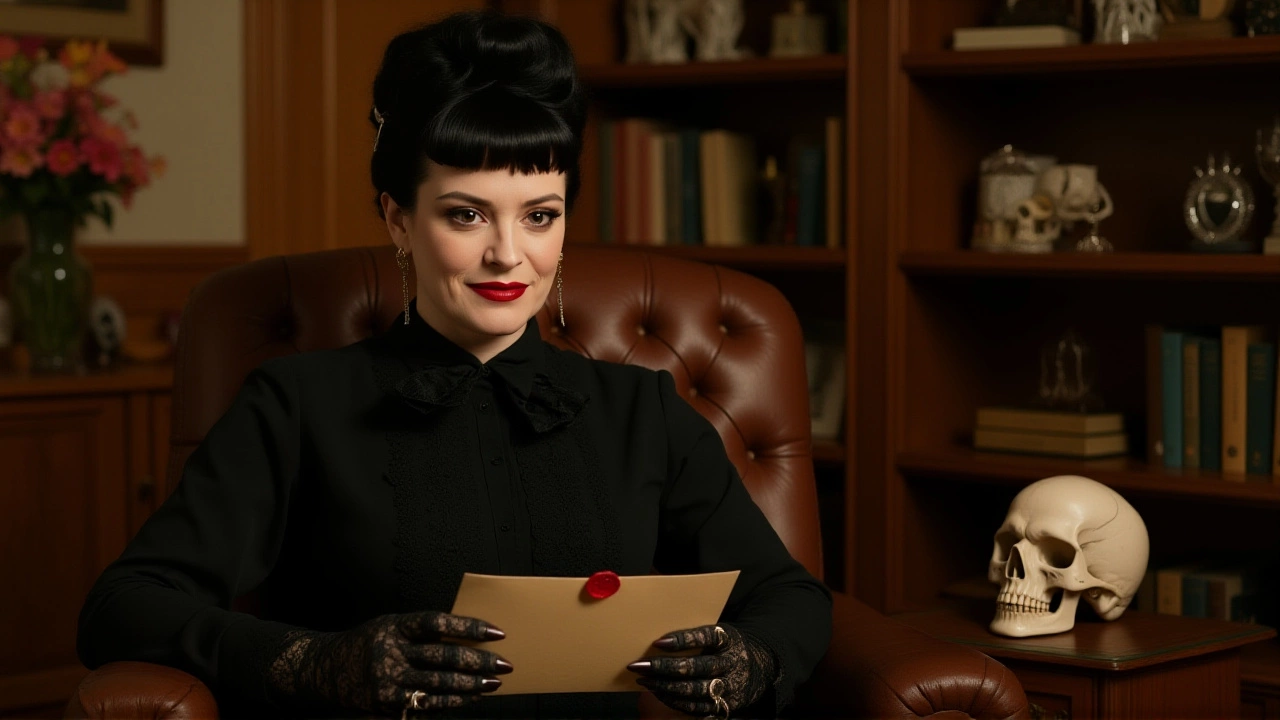
Behind the Scenes: The Castle, the Crew, and the Cameras
Filming took place at Ardross Castle, a 19th-century estate near Dingwall in the Scottish Highlands. Owned by Lord Forteviot since 2015, the castle’s 22 rooms and sprawling grounds provided the perfect gothic backdrop for betrayal. But it also posed logistical nightmares. The castle has no running water on the upper floors. Power comes from generators. Internet is spotty. And the nearest hospital is 45 minutes away. "We had to bring in our own water purification system," said a crew member who spoke anonymously. "And we flew in a portable MRI machine just in case someone had a head injury during the labyrinth challenge." The crew of 140 worked in shifts, often sleeping in tents outside the castle. Cameras ran 24/7. And every bottle of water, every snack, every cup of tea was logged. "Even the tea bags were counted," Codd said. "I swear, they knew if I drank three extra.Frequently Asked Questions
How did the alcohol ban affect contestant behavior on 'The Traitors UK Celebrity'?
Contestants reported sharper focus during challenges and more accurate social reading. Former footballer Jason Banton admitted he’d previously misread lies while intoxicated. With no alcohol, deception became more deliberate—and harder to hide. Production logs showed a 32% drop in physical altercations compared to Season 1, despite increased tension.
Who enforced the alcohol rules, and how?
Production staff from Motion Content Group and BBC Studios Productions enforced the ban through daily checks, camera monitoring, and surprise room inspections. Breathalyzers were placed at castle entrances, and staff logged all alcohol consumption after filming hours. Even host Claudia Winkleman was subject to the same rules during live segments.
Did the alcohol ban impact ratings or viewer reception?
No—it boosted them. Season 2 drew 8.7 million viewers on BBC One, up from 8.2 million in Season 1. Critics praised the show’s heightened tension and realism. Not a single review mentioned the alcohol policy, which producers say was intentional: the goal was to make safety invisible, so the drama stayed front and center.
What other safety measures were introduced on set?
Beyond the alcohol ban, producers added two full-time medics, portable MRI equipment, and 24/7 mental health counselors. Contestants were required to surrender phones and were monitored for signs of emotional distress. All physical challenges were risk-assessed by safety engineers. The budget rose to £1.8 million per episode, reflecting the expanded safety infrastructure.